

|
|
PDF of the report page
The Hellbender
Status:
The Ozark hellbender was listed as endangered in 2011. The Eastern hellbender is under status review for protection throughout its range.
Range:
New York south to Mississippi and Georgia, west to Missouri and Arkansas.
Population:
The Ozark hellbender has declined by 75 percent since the 1980s; fewer than 600 remain in the wild.
|
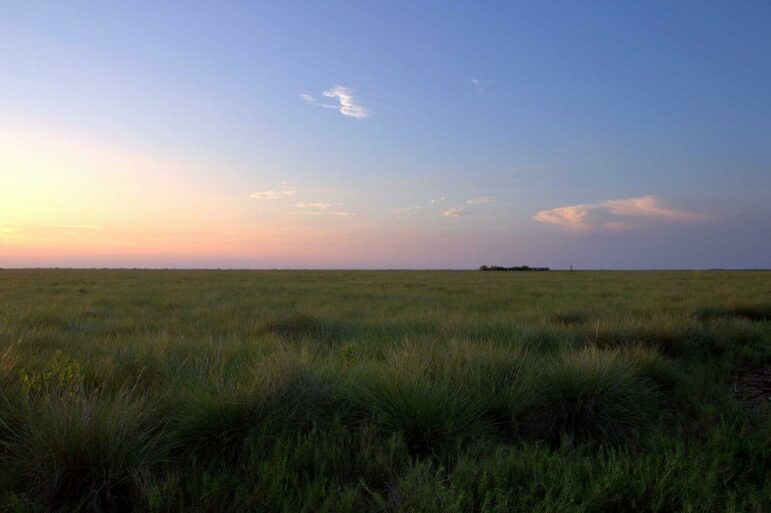
The Ozark rivers flow through a rich and diverse landscape of high plains and densely forested valleys whose relative isolation and physical features shelter a wide range of unique species. Approximately two-thirds of the endangered species in Oklahoma, Illinois, Missouri, and Arkansas are found in the Ozarks. Three major Ozark rivers—the Current, Jacks Fork, and Eleven Point—are home to the hellbender. Beyond the Ozarks, the hellbender is also found in the rivers and streams that snake through the eastern United States. These waterways are home to many unique and highly threatened freshwater species found nowhere else in the world.
The Hellbender (Cryptobranchus alleganiensis) is the largest salamander in the United States and the third largest in the world. There are two subspecies—the Ozark hellbender, listed as endangered, and the Eastern hellbender, which is under status review. Hellbenders have remained virtually unchanged through time, having broad, flat heads and bodies with very loose, fleshy skin running the length of their sides to their paddle-like tails. They have poor vision but benefit from light-sensing cells along the length of their bodies, and rely primarily on vibrations and scents for communication and foraging. Hellbenders reach maturity at five to eight years, and live up to thirty years.
Water in the Balance
The hellbender is completely dependent on clean, cold-running water with rocks, crevices, and logs to provide protection and breeding grounds. Threats to its habitat come primarily from human activities. Damming and channelization, decreases in water flow, increases in water temperature, erosion, and pollution all threaten this sensitive salamander. Runoff from urbanization, agriculture, and mining poisons the hellbender’s water and food. As their habitat degrades, they become more susceptible to disease and deformities. Overharvesting for the international pet trade and for science further decreases the population.
|
What You Can Do
The Center for Biological Diversity is working to obtain federal protection for the hellbender throughout its East Coast range. Such protection will help safeguard waterways which support not only the hellbender, but numerous other species, as well. Individuals, particularly those who live in the hellbender’s native regions, can help save this species by making thoughtful consumer and lifestyle choices that will protect waterways so crucial to the hellbender’s survival. Using less water and electricity, buying organic foods, and choosing products with reduced packaging all make a difference. Particularly important is electing not to use pesticides, and opting for non-toxic cleaning and personal care products to reduce negative impacts on waterways.
|
In the Ozarks, the rivers have changed dramatically over the past hundred years, beginning in 1911 with the damming of the White River. Additional dams were built through the 1970s, creating dozens of lakes for both recreational and commercial purposes, but with harmful consequences to freshwater animals. The first U.S. Park based on a river system—the Jacks Fork and Current Rivers—was founded here in 1964, with millions of tourists visiting it and surrounding rivers annually. The first federal fish hatchery was built here in 1888, and the region is home to both warm and cold water trout hatcheries and fishing parks. Forestry, mining, and agriculture also dominate and degrade portions of the Ozark watershed.
|