


|
|
PDF of the report page 
The Central California Coho (Oncorhynchus kisutch)
Status: Listed as endangered in 2005
Range: From Punta Gorda in northern California south to Monterey, California
Population: Recent estimate 500-1,000
______________________
Sacramento River Winter Run Chinook (Oncorhynchus tshawytscha)
Status: Listed as endangered in 1994
Range: The Sacramento River in California
Population: 827 adults in 2011
______________________
Snake River Sockeye (Oncorhynchus nerka)
Status: Listed as endangered in 1992
Range: Salmon River (Idaho), Snake River (Idaho and Washington), and Columbia River (Washington)
Population: 1,268 in 2011 (1,118 hatchery origin; 150 natural/wild origin)
|
Salmon are indigenous to the Pacific Northwest and California. Indeed, Tim Egan, a New York Times columnist, once described the Pacific Northwest as “any place a salmon can get to.” Pacific salmon are anadromous, living in both fresh and salt water during different life stages. The young are born in streams and rivers where they rear while their bodies undergo physiological changes, called smolting, that allow them to transition to salt water. As juveniles, they migrate through brackish water to the ocean where they mature and live, depending on the species, for one to five years. Adult salmon then return to their original natal streams to spawn; they then die after a few days or up to a couple of weeks.
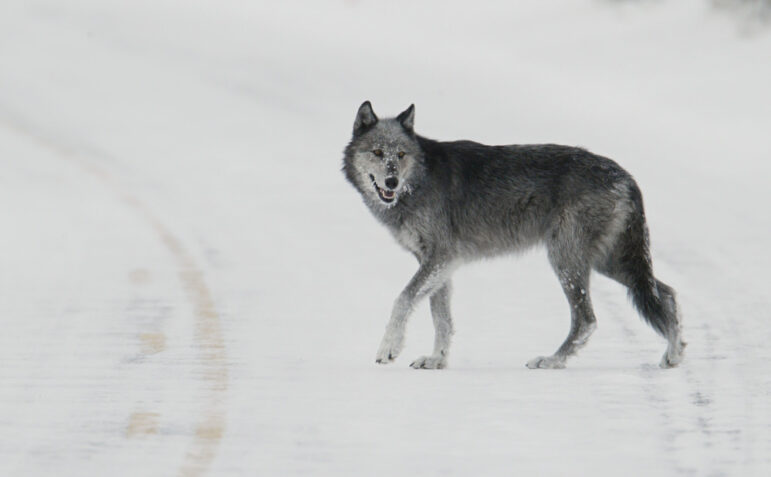
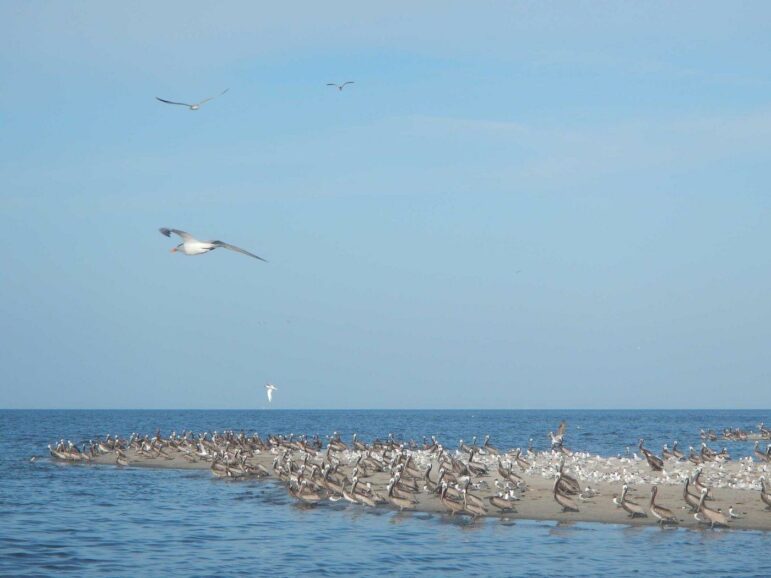
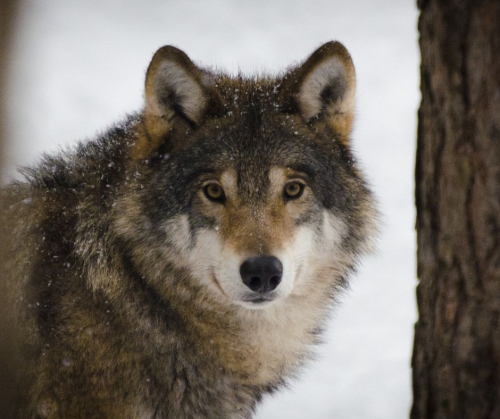
Salmon in the Pacific Rim ecosystem, including Alaska and south to central California, are keystone species, having an outsized impact on their surrounding regions relative to their populations. Salmon are critically important to healthy watershed ecosystems, in part because adults migrating back to their spawning grounds are loaded with vital marine nutrients. The ecosystem services of an abundant salmon run to a watershed are immense; hundreds of species benefit from the nutrients provided to the entire watershed from decaying salmon carcasses. Riparian canopy trees, under-story shrubs and grasses, birds, mammals, reptiles, insects, and juvenile salmon all rely on nutrients borne by adult salmon through river systems to their fresh water spawning grounds. Salmon are part of a crucial food web that directly or indirectly benefits as many as 140 other wildlife species, including grizzly bears, bald eagles, gray wolves, osprey, and sandhill cranes.
Throughout the Pacific region, salmon have been the backbone of thriving commercial fishing industries, and recreational salmon fishing has traditionally brought in millions of dollars in permits, gear, and charter boat expenses. Salmon also support related on-shore businesses such as restaurants and fish distributers. These fish have profound cultural significance for certain populations throughout their range, including numerous Native American tribes. Finally, wild salmon are valued by the public as a delicious and nutritious food.
The Central California Coastal Coho salmon ( O n c o r h y n c h u s kisutch), also called the silver salmon, is relatively small and slim, typically weighing between six and thirteen pounds. Juveniles usually over-winter in their natal stream, migrating to the ocean after a year of growth. Most spawning adults are three years old, but this group often includes some two year olds (known as jacks). The Coho is a popular game fish in fresh and salt water, due, in part, to its schooling behavior in shallow waters. Fishing for Coho salmon is banned in California’s ocean and fresh waters, however, due to their extremely reduced populations.
The Sacramento River Winter Run Chinook (Oncorhynchus tshawytscha), the largest of these three salmon species, typically weighs about thirty to forty pounds. Because of their size, the Chinook, or King, salmon choose relatively large streams and rivers for spawning, and can tolerate deeper and faster flowing water than other species of salmon. The Winter Run Chinook is an indicator species for the health of the San Francisco Bay-Sacramento River delta ecosystem, the largest estuary on the West Coast.
Snake River Sockeye salmon (Oncorhynchus nerka) has an unmatched migration, as they travel more than 900 miles and nearly 7,000 vertical feet twice in their lifetimes, down to the ocean and back up to spawn. Their spawning habitat in the Sawtooth Mountains of Central Idaho is the highest-elevation wilderness salmon habitat left in the continental United States. The Sockeye’s preferred mountain streams and lakes are likely to remain cold, even in the face of global climate change, which could allow Snake River Sockeye to weather the impacts of our warming climate in a way that lower-elevation spawners may not be able to do.
Water in the Balance
The West Coast has historically been home to a complex system of free-flowing streams, rivers, and estuaries that have provided critical habitats for salmon, which rely on three types of water—fresh, brackish, and salt—to complete their life cycle. Hatchlings (called fry) require the highly oxygenated water of swift moving streams and rivers, while juveniles rely on wetlands surrounding their natal streams to shield them from silt and pollution. Adults remain vulnerable to changes in water quality and temperature, and require essential passage from the ocean back to their natal streams to spawn. Challenges to salmon are many. Significant loss of spawning and nursery habitat has occurred because of poor land-use practices, dam-building, and policies allowing agricultural, residential, and commercial development in riparian habitat and floodplains. Dams built for hydropower, navigation, and water diversion (to supply municipal drinking water and irrigation) are major factors impacting these three species’ declining populations. In addition to blocking migration routes to and from spawning habitat, dams create slow-moving slack-water reservoirs, which allow river temperatures to reach levels considered dangerous or even lethal to coldwater species like the Sockeye. Other barriers— including roads, bridges, culverts, and water diversions— restrict fish passage. In California alone, there are more than 1,000 identified barriers that fragment salmon habitat and thwart their migration. In addition, poor water quality caused by agricultural and industrial pollution, increased temperatures, and decreased in-stream flow, creates toxic conditions that impair growth, migration, and survival of these species.
|
What You Can Do
Individuals can help save the salmon by conserving water, by planting local, native plants that do not require irrigation, and by reducing their own carbon footprint. Individuals can also actively support agencies and organizations that are working to restore and improve natal streams, protect salmon habitat, provide adequate water flows, remove dams, and block construction of new barriers. The Natural Resources Defense Council (NRDC), Save Our Wild Salmon Coalition (SOS), and the Salmon Protection and Watershed Network (SPAWN) are all actively working to protect and restore salmon populations from the Pacific Northwest to Central California.
|
|